
Ten przemysł maszyn szlifierskich przechodzi znaczącą transformację, wykraczając poza autonomiczne urządzenia i stając się integralną częścią inteligentnych, zautomatyzowanych i opartych na danych ekosystemów produkcyjnych. Najnowsze trendy, podkreślone w ostatnich raportach rynkowych i prezentacjach technologicznych, takich jak GrindingHub 2026, wskazują na przyszłość, w której precyzja, inteligencja i wydajność będą miały kluczowe znaczenie.
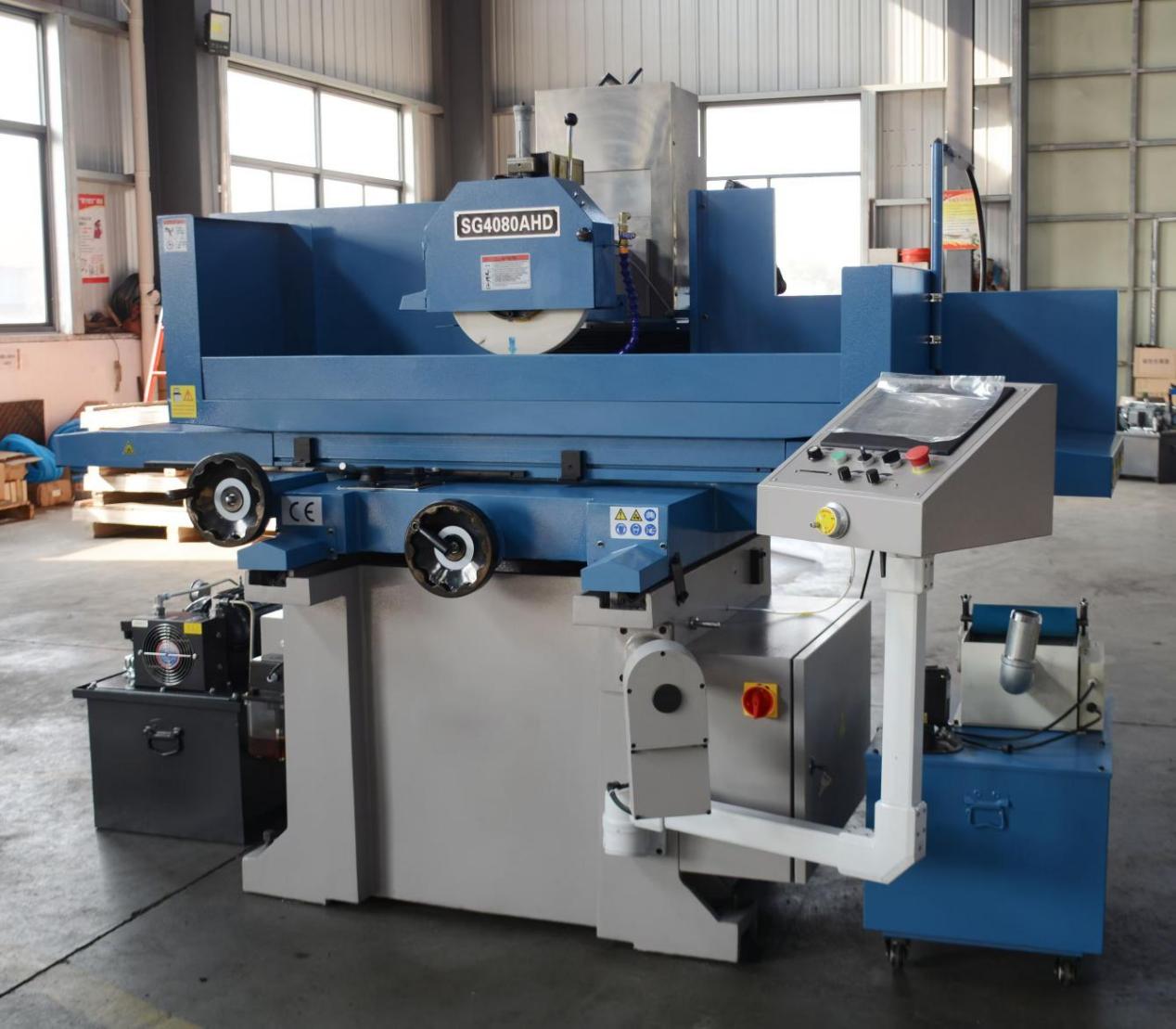
Jednym z najważniejszych trendów jest integracja sztucznej inteligencji (AI) w celu tworzenia inteligentnych szlifierek. Celem jest zmniejszenie zależności od wysoko wykwalifikowanych operatorów, których wiedza jest coraz rzadsza, i przejście na samooptymalizujący się proces. Nowoczesne systemy są opracowywane w celu wykorzystania modeli AI, które uczą się na podstawie danych historycznych i danych w czasie rzeczywistym, w tym pochodzących z innych podłączonych maszyn. Pozwala to im przewidywać zużycie ściernicy, wykrywać niestabilne warunki procesu i automatycznie dostosowywać parametry, takie jak posuw i prędkość, aby utrzymać jakość i zapobiec błędom. Celem jest osiągnięcie produkcji bez wad, gdzie pierwsza część wyprodukowana po ustawieniu jest poprawna. Łącząc modele fizyczne ze sztuczną inteligencją, szlifierki stają się zdolne do złożonego planowania procesów, które tradycyjnie wymagały specjalistycznej intuicji, radykalnie skracając czas ustawiania i liczbę braków.
Szlifierki CNC są obecnie niekwestionowanym standardem, utrzymując dominujący udział w rynku i napędzając rozwój w pełni zautomatyzowanej produkcji bez wyłączania urządzeń (Lights-Out). Koncepcja szlifowania-mierzenia-szlifowania staje się rzeczywistością. Maszyny są wyposażone w zintegrowane czujniki i systemy pomiaru w trakcie procesu, tworząc zamkniętą pętlę sterowania. Maszyna szlifuje element, dokonuje jego automatycznego pomiaru i kompensuje wszelkie odchylenia w kolejnym cyklu bez ingerencji człowieka, pracując bezobsługowo przez wiele zmian. Ta dominacja pozwala na głębszą integrację zaawansowanego oprogramowania, robotyki do załadunku i rozładunku oraz cyfrowych narzędzi do zarządzania przepływem pracy, przekształcając szlifierkę z obsługi ręcznej w wysoce przewidywalną i wydajną zautomatyzowaną komórkę.
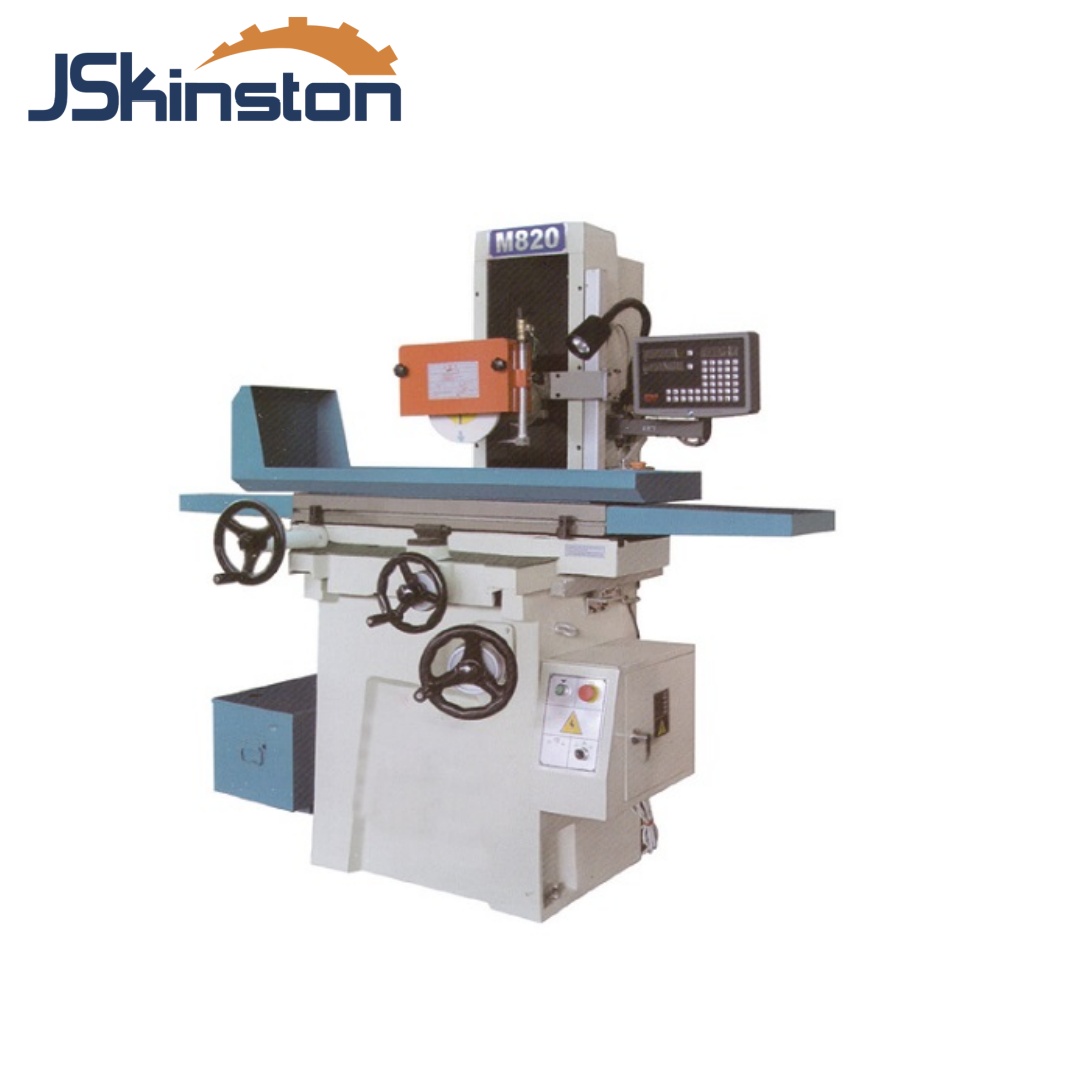
Aby osiągnąć maksymalną wydajność obróbki złożonych części, branża wychodzi poza pojedyncze procesy, w kierunku łączonych i hybrydowych technologii obróbki. Maszyny hybrydowe łączą różne technologie, takie jak szlifowanie i erozjoterapia lub szlifowanie i obróbka laserowa, w jednym urządzeniu. Pozwala to na wykończenie złożonej części, takiej jak narzędzie PCD, w jednej operacji mocowania, co radykalnie skraca czas przestoju i poprawia dokładność poprzez eliminację konieczności wielokrotnego ustawiania. Obciąganie elektroerozyjne, znane jako WireDress, umożliwia obciąganie i profilowanie ściernic ze spoiwem metalowym, używanych do twardych materiałów, takich jak węgliki spiekane i ceramika, bezpośrednio na maszynie za pomocą elektrody drutowej. Eliminuje to konieczność ręcznej wymiany ściernic i może zwiększyć wydajność nawet o 70% w niektórych zastosowaniach.
Wartość szlifierki jest coraz częściej definiowana przez jej oprogramowanie, integrację danych i otaczający ją ekosystem usług. Zamiast planowanych lub reaktywnych napraw, inteligentne systemy stale monitorują stan maszyny. Agenci AI analizują dane z czujników, aby przewidywać awarie, zanim wystąpią, automatycznie tworząc zgłoszenia serwisowe i zamawiając części, aby zapobiec nieplanowanym przestojom. Nowe platformy oprogramowania pełnią funkcję kontroli ruchu lotniczego w produkcji narzędzi. Dostarczają operatorom instrukcje krok po kroku, śledzą palety i zarządzają pomiarami w pętli zamkniętej, umożliwiając jednemu wykwalifikowanemu pracownikowi efektywniejsze nadzorowanie większej liczby maszyn. Innowacje docierają nawet do doświadczeń klientów. Targi takie jak GrindingHub 2026 zaprezentowały chatboty oparte na sztucznej inteligencji, które pomagają odwiedzającym poruszać się po złożonych ofertach technicznych, sygnalizując, jak wsparcie oparte na danych staje się integralną częścią branży.
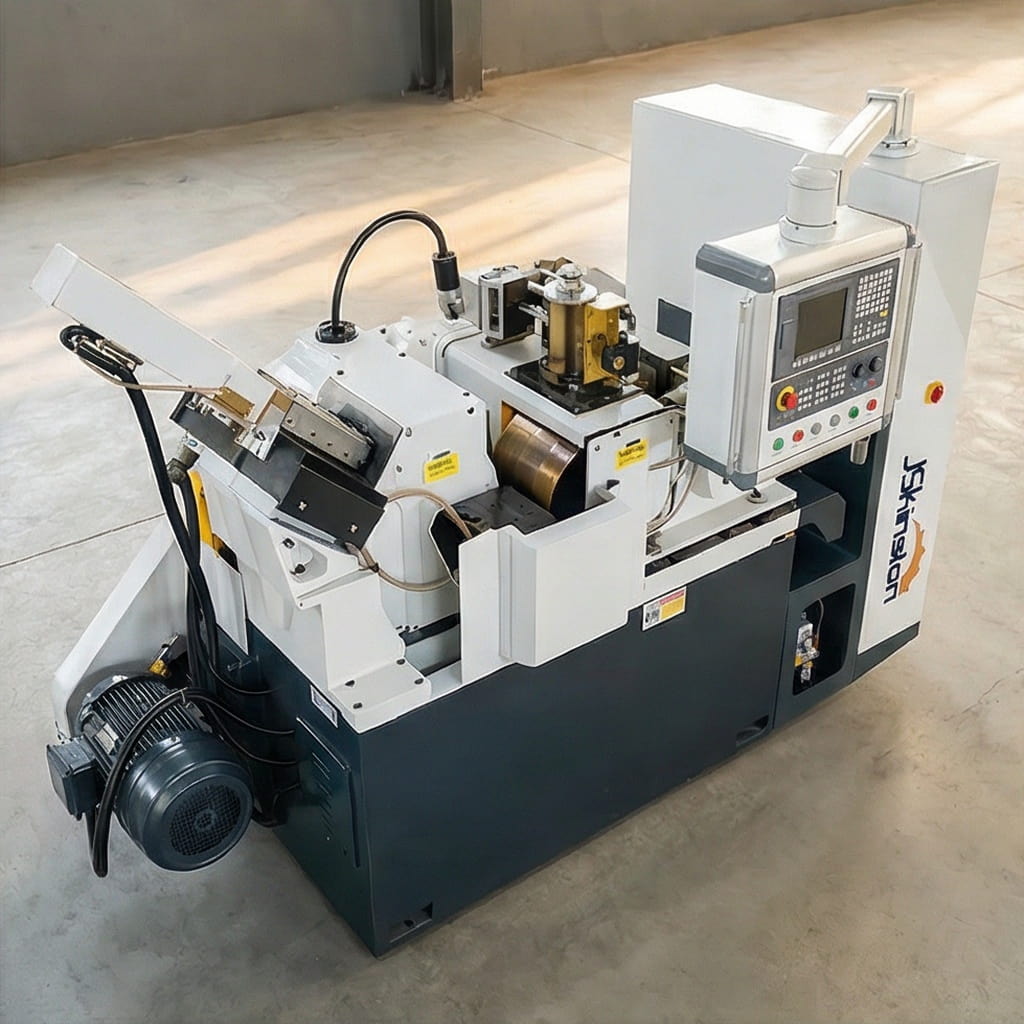
Podsumowując, przyszłość technologii szlifowania definiuje inteligencja, automatyzacja i integracja. Najnowszym trendem jest przejście od prostej obrabiarki do zaawansowanego, samooptymalizującego się rozwiązania procesowego, które jest kluczowe dla bezbłędnej i wysokowydajnej produkcji. Przewiduje się, że globalny rynek maszyn szlifierskich wzrośnie z 6,58 mld USD w 2026 r. do 11,12 mld USD w 2036 r. Przewiduje się, że szlifierki CNC będą stanowić 64,0% udziału w rynku w 2026 r. Największym użytkownikiem końcowym jest sektor motoryzacyjny, odpowiadający za 34,0% popytu, a następnie dynamicznie rozwijający się sektor lotniczy i obronny.
Zostaw wiadomość
Skanuj do Wechat/WhatsApp :