
Investing in a precision grinding machine is one of the most critical decisions for any machining workshop, tool room, vocational training center, or metal fabrication factory. A high-quality grinding machine directly determines workpiece accuracy, surface finish quality, production efficiency, and long-term operational costs. However, with various types of grinders on the market, including surface grinding machines, cylindrical grinding machines, universal tool grinders, and centerless grinders, most workshop owners and procurement managers struggle to select the most suitable model for their specific production needs.
Choosing the right precision grinding machine is never about picking the most expensive or fully automated model. It is about matching machine performance, precision level, functionality, and budget to your workpiece types, tolerance requirements, production volume, and daily workshop operations. In this complete buying guide, we will break down all the key factors to help you select a cost-effective, stable, and high-performance industrial grinding machine for long-term workshop use.
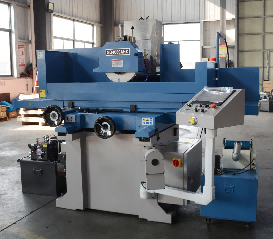
Surface Grinding Machine: This is the most widely used precision grinding equipment for workshops. It is specially designed for flat surface processing, including mold plates, steel blocks, fixture bases, and flat hardware parts. High-precision surface grinders deliver ultra-smooth surface finishes and strict flatness tolerance, ideal for mold manufacturing, small-batch precision part processing, and mechanical repairing workshops.
Cylindrical Grinding Machine: Focuses on external and internal circular workpieces such as motor shafts, hydraulic sleeves, bearing pins, and cylindrical mechanical parts. Industrial cylindrical grinders ensure accurate roundness and cylindricity, which are essential for rotating mechanical components.
Universal Tool Grinder: Mainly used for sharpening and processing various cutting tools, including milling cutters, drills, taps, and lathe tools. It is a must-have device for tool rooms and vocational school training workshops.
Centerless Grinding Machine: Suitable for high-volume mass production of small cylindrical parts, featuring fast processing speed and no need for workpiece clamping.
Workshop production volume and automation demands directly determine whether you need a manual precision grinding machine or a CNC automatic grinding machine. This is a key factor to balance your production efficiency and procurement budget.
Manual Grinding Machine: Perfect for small-batch production, customized workpiece processing, tool sharpening, and vocational training. It features simple operation, low failure rate, flexible adjustment, and affordable price. For most small and medium-sized workshops, a high-quality manual surface grinder or cylindrical grinder can fully meet daily production needs with lower maintenance costs.
CNC Grinding Machine: Suited for large-scale, standardized batch production. It supports automatic feeding, automatic wheel dressing, and unattended operation, with higher processing consistency and efficiency. It is the best choice for large factories with fixed mass production orders.
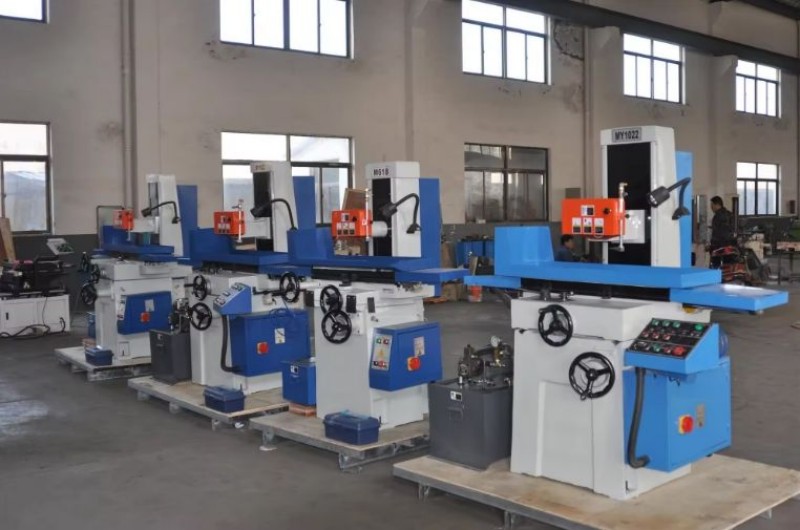
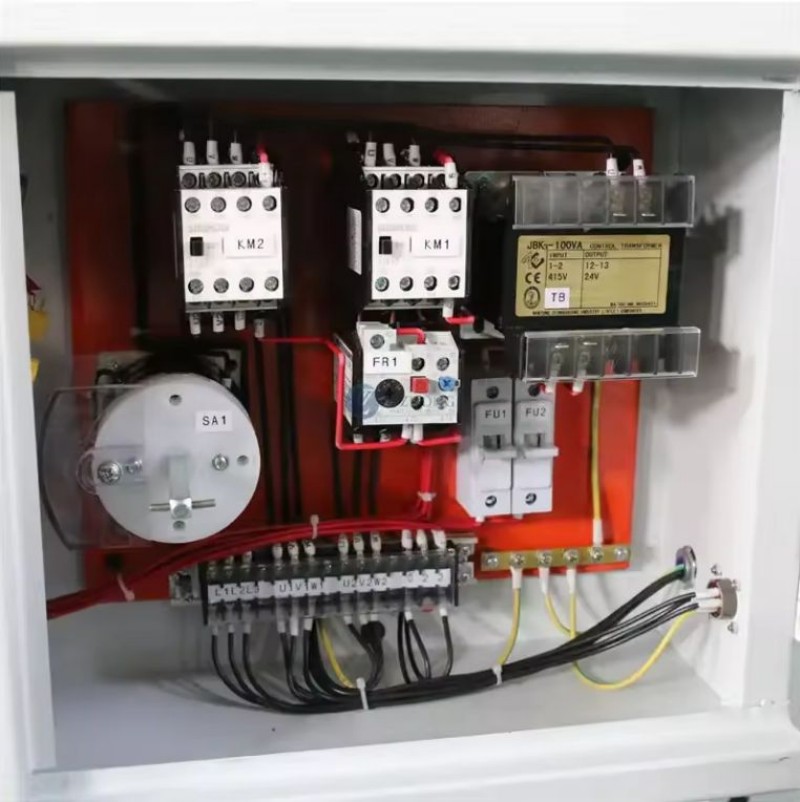
A reliable industrial precision grinding machine must have excellent core configurations to ensure long-term stable operation. Many buyers only focus on price while ignoring key components, resulting in frequent failures and high later-stage maintenance costs.
• High-rigidity cast iron body: Effectively absorbs grinding vibration, ensures long-term precision stability, and resists deformation.
• High-precision spindle: The core component of the grinder, supporting high-speed stable operation and reducing workpiece processing errors.
• Complete cooling and lubrication system: Reduces grinding heat, prevents workpiece burning, and extends the service life of grinding wheels and spindles.
• Flexible travel and table size: Choose the table stroke and working size according to your maximum workpiece dimension to avoid processing limitations.
In addition, excellent dust and coolant management systems can optimize the workshop working environment and reduce equipment wear, greatly improving the overall service life of the precision grinding machine.
For workshop equipment procurement, cost performance is always the top priority. A high-quality precision grinding machine does not mean excessive high configuration, but reasonable matching of performance and price.
Normal-duty precision grinders are ideal for entry-level and medium-sized workshops, with competitive factory direct prices, stable performance, and low daily maintenance costs. High-end CNC precision grinders are suitable for enterprises with high-precision and mass production demands.
It is worth noting that you should not only focus on the one-time purchase price but also the total cost of ownership (TCO), including wearing parts replacement, daily maintenance, power consumption, and after-sales service costs. Standard factory grinding machines with mature technology have lower failure rates and longer service life, bringing higher long-term benefits for your workshop.
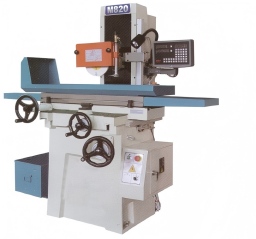
To sum up, the best precision grinding machine for your workshop is the one that perfectly matches your processing needs, precision standards, production volume, and budget. Start from your workpiece types to choose between a surface grinding machine, cylindrical grinding machine, or tool grinder; select manual or CNC configuration according to production volume; and prioritize stable configuration and reliable after-sales service.
Q1: What is the most versatile precision grinding machine for small workshops?
The manual surface grinding machine is the most versatile option. It supports flat surface grinding, deburring, and finish processing of various metal parts, meeting most daily machining and maintenance needs of small workshops.
Q2: Is a CNC grinding machine necessary for small-batch production?
No. For small-batch and customized processing, a high-precision manual grinding machine is more flexible and cost-effective, with lower operation and maintenance costs.
Q3: How long does a standard precision grinding machine last?
With standardized operation and regular maintenance, a factory-direct precision grinding machine can serve more than 10 years with stable precision performance.
Zostaw wiadomość
Skanuj do Wechat/WhatsApp :